The Guy Who Listens: 7 Tadano Scenes That Belong in a Communications Textbook
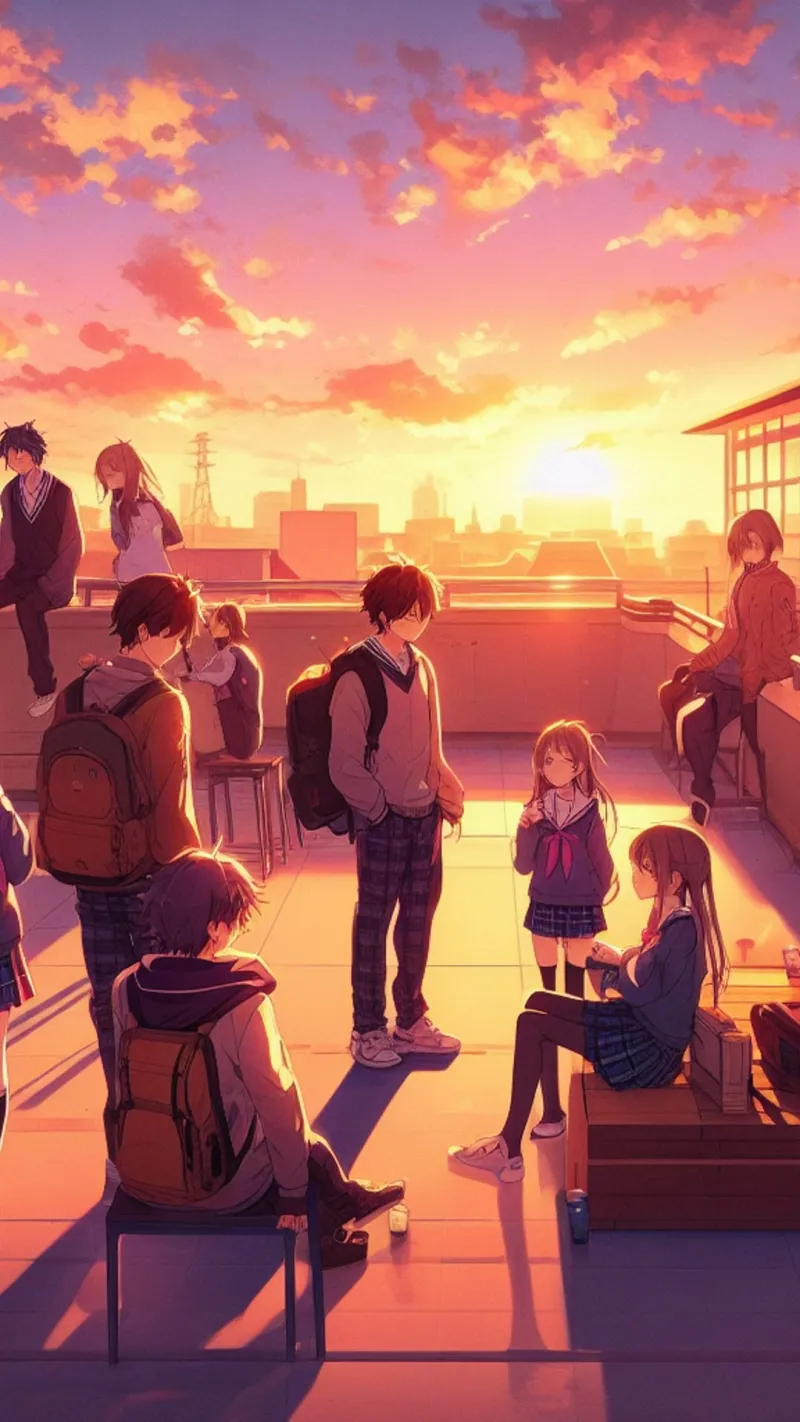
Photo: two students talking quietly school rooftop sunset anime style, via i.pinimg.com
Somewhere between the fourth rewatch and the fifth think-piece, it hit us: Tadano is doing things on screen that corporate America spends billions trying to teach its managers.
Active listening workshops. Emotional intelligence seminars. That one LinkedIn course your well-meaning HR department assigned you. Tadano does all of it in 24-minute episodes, without a slide deck, and — crucially — without making it weird. So we did the homework nobody asked for: seven scenes, broken down like case studies, that genuinely hold up as lessons in everyday emotional skill.
1. The First Conversation: Giving Someone an Exit
When Komi freezes up early on, Tadano doesn't push, joke through the awkwardness, or make it about himself. He lowers the stakes. He offers a way for her to participate that doesn't require her to perform. That's not just kindness — that's a textbook move for working with someone who's overwhelmed. Managers who run good one-on-ones do this instinctively. Tadano does it in episode one.
2. The Group Project: Redirecting Without Confronting
When a group dynamic starts curdling, most anime characters either explode or disappear. Tadano does neither. He notices the friction, names the actual problem (not the surface complaint), and redirects the group's energy toward a shared goal. Watch how he never says "you're being difficult." He fixes the conditions that made someone difficult. That's de-escalation 101.
3. The Rooftop Scene: Silence as a Tool
This is the one fans quote the most, and for good reason. Tadano lets a silence run long — longer than comfortable — because the other person isn't done talking. Most of us rush to fill silence with reassurance. Tadano waits, and the waiting does the work. If you've ever been on the receiving end of someone who actually let you finish a hard sentence, you know exactly how powerful this is.
4. The Festival Episode: Reading What Isn't Said
Tadano clocks that someone's having a bad time even though she's smiling and going along with everything. The tells are tiny — a delayed response, a joke that lands flat — and he catches all of them. This is "reading the room" at a level most adults claim to have and absolutely do not.
5. The Apology Scene: Repair Without Groveling
When Tadano messes up, he apologizes once, clearly, without a speech, and then changes his behavior. No self-flagellation, no making the apology about his own guilt. It's the healthiest on-screen apology model in modern anime, and honestly, we'd screen it in any workplace conflict-resolution training.
6. The Third-Party Scene: Advocating for Someone Else
One of Tadano's most underrated moments comes when he sticks up for someone who isn't in the room. No audience, no credit, no dramatic monologue. He just says the true thing because it needed saying. The skill here is costing himself something social to do it — which is the entire difference between politeness and integrity.
7. The Finale: Knowing When to Step Back
The best communicators know when their job is done. Tadano's late-series restraint — letting someone else take the lead, resisting the urge to manage the moment — is the hardest skill on this list. It's also the one that makes people trust him.
Why This Resonates in the US Right Now
American pop culture is in the middle of a quiet course-correction. After a decade of loud, abrasive antiheroes, audiences — especially younger ones — are gravitating toward characters who demonstrate care as competence. Tadano isn't a fantasy of power; he's a fantasy of being genuinely understood. Given how starved a lot of us are for that, it tracks.
So no, he'll never make a communications syllabus officially. But between us? These seven scenes teach more than most textbooks, and they come with better music.