Same Character, Different Worlds: How Anime Studios Have Reimagined Tadano Over the Years
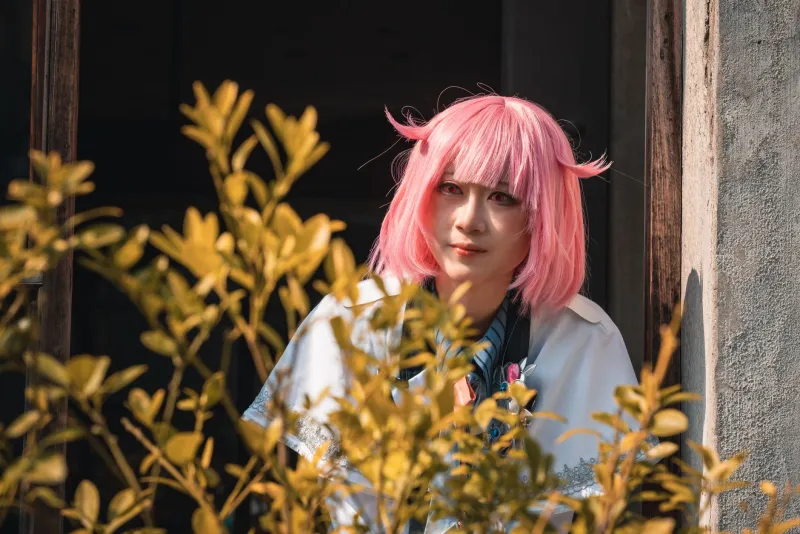
If you've been following Tadano across different anime adaptations, you've probably noticed something a little strange — the guy can feel like a completely different person depending on which version you're watching. Same name, same basic backstory, but the vibe? Totally different. That's the fascinating thing about how animation studios approach source material. They don't just copy-paste from the manga. They reinterpret, reimagine, and sometimes reinvent.
Here at Tadano Movie Hub, we've spent a lot of time thinking about what makes each version of Tadano tick. So let's get into it.
Starting From the Page: What the Manga Actually Gives Us
Before we can talk about adaptations, we have to acknowledge what the original manga establishes. Tadano, at his core, is written as an observant, socially cautious guy who's learned to read the room after an embarrassing moment derailed his school life. He's not a pushover, but he's not a loudmouth either. He exists in this careful middle ground — empathetic, a little self-deprecating, and genuinely good-hearted without being annoyingly perfect.
The manga gives artists and animators a lot of room to work with. His expressions are deliberately understated, his dialogue often laced with dry internal commentary. That ambiguity is a gift and a challenge. How much do you lean into the deadpan? How much warmth do you let through? These are the decisions that define each adaptation.
The Visual Identity Problem
One of the most immediate differences fans notice is how Tadano looks. Character design choices might seem superficial, but they actually communicate a ton about how a studio wants audiences to feel about him.
In some adaptations, Tadano is rendered with softer features — rounder face, warmer color palette — which makes him feel more approachable and emotionally accessible right from the jump. Other versions lean harder into that "average guy" aesthetic, giving him a more angular, almost forgettable look that reinforces his whole thing about not standing out. Both are valid interpretations of the source material, but they prime the audience differently.
For US viewers especially, visual first impressions matter a lot. American anime fans often encounter characters through clips, fan art, and social media before they ever sit down to watch a full episode. A Tadano who looks warm and expressive is going to spread differently on platforms like TikTok or Twitter than one who looks deliberately plain. Studios may not be consciously thinking about Western social media shareability, but it affects reception whether they planned for it or not.
Voice Acting: The Invisible Character Shaper
This is where things get really interesting. Voice acting doesn't just bring dialogue to life — it fundamentally shapes who a character is. And across different adaptations, Tadano has been voiced with notably different energies.
Some performances play up his internal monologue quality, giving him a slightly detached, almost narrator-like delivery that keeps emotional distance even in big moments. It works beautifully for comedy and creates a kind of ironic gap between what he says and what he feels. Other performances go warmer and more reactive, letting Tadano's genuine emotions bubble up more naturally, which makes the romantic and dramatic beats land harder.
For the English dub crowd — which is a significant chunk of the US fanbase — the localization choices add another layer. Dub directors have to decide how much to adapt Tadano's speech patterns for American ears. Do they keep the formal-casual Japanese rhythm? Do they make him sound like a regular American high schooler? The best dubs find a middle path, preserving his thoughtful nature while making him feel relatable to someone who grew up watching, say, coming-of-age stories on Netflix rather than NHK.
Personality Drift Across Story Arcs
Here's something that doesn't get talked about enough: different adaptations don't just interpret Tadano differently at the start — they let him drift in different directions as the story progresses.
In versions that prioritize the romantic storyline, Tadano's emotional growth tends to be front and center. You watch him become more open, more willing to be vulnerable, and the arc feels satisfying in a classic "guy learns to love" kind of way. These adaptations tend to resonate strongly with fans who came to the franchise specifically for the relationship dynamics.
Adaptations that lean into the ensemble comedy aspects, on the other hand, sometimes keep Tadano in a more static "straight man" role. He's the anchor that makes everyone else's chaos funnier by contrast. That version of Tadano is less about internal growth and more about function within the group dynamic. Both approaches are legitimate, but they create very different viewing experiences.
Why These Differences Actually Matter
You might be wondering — does any of this really matter? Isn't Tadano just Tadano?
Not really, and that's kind of the point. The version of Tadano you encounter first often becomes your Tadano. The one you measure all others against. Fans who started with a particular adaptation are sometimes genuinely confused when they check out another version and find a character who feels slightly off — not wrong, just different.
This is actually a healthy thing for a franchise. It sparks conversation, debate, and the kind of passionate community engagement that keeps a series alive long after its initial run. At Tadano Movie Hub, we've seen firsthand how much fans love dissecting these differences. The "which adaptation did it best" conversation is evergreen.
The Newcomer's Dilemma
If you're just getting into Tadano content now, all of this might feel a little overwhelming. Which version should you start with? Honestly, the best answer is whichever one is most accessible to you right now. Don't stress about watching in a specific order or finding the "definitive" version.
What's cool about having multiple adaptations is that each one is a complete entry point. You can always go back and compare after you've fallen in love with the character — and trust us, you will. That's when the real fun of being a Tadano fan begins.
Final Thoughts
Tadano's journey from manga page to anime screen is a masterclass in how interpretation shapes identity. Each studio that's taken on this character has made deliberate choices that reflect their own storytelling priorities, and the result is a rich, layered character history that rewards close attention.
Whether you prefer the warmer, more emotionally expressive versions or the dryer, more understated takes, there's a Tadano out there for you. And honestly? That's pretty great.
