Big Fandom, Empty Seats: The Real Reason Tadano Movies Can't Win at the American Box Office
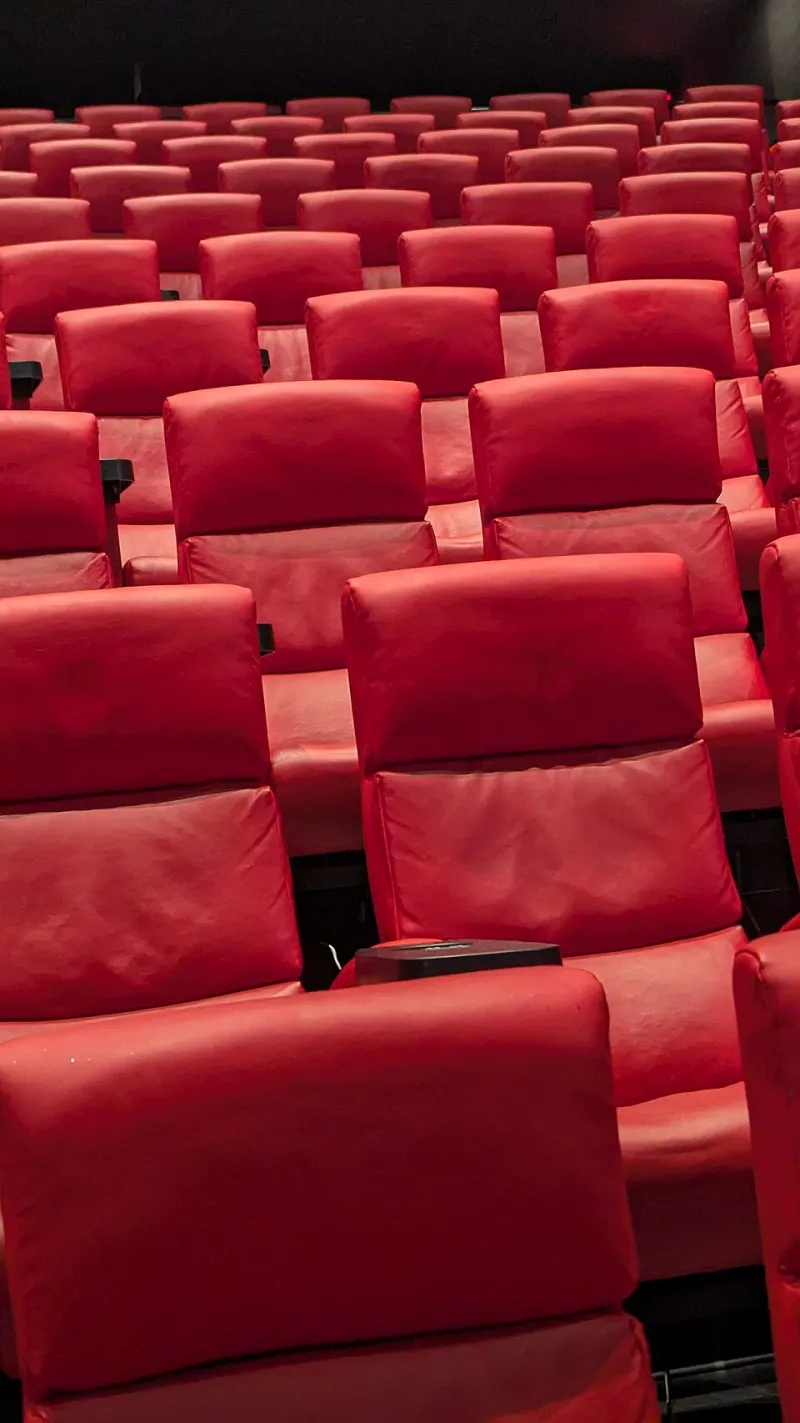
Photo: Eden, Janine and Jim from New York City, CC BY 2.0, via Wikimedia Commons
Pull up any anime fan Discord on a weekend when a Tadano-related film hits limited US theatrical release. The servers are buzzing. People are posting about it, debating which theater chains picked it up, asking if anyone's seen it yet. The enthusiasm is loud and genuine.
Then check the box office numbers on Monday morning.
It's a pattern that's become almost predictable at this point, and it's one of the more interesting puzzles in American anime distribution. Tadano content generates real, sustained online engagement. The fandom is active, vocal, and not shy about spending money on merchandise, streaming subscriptions, or manga volumes. But put a Tadano movie in a multiplex and somehow the seats stay empty. So what's actually going on?
The Streaming Brain Problem
Let's start with the most uncomfortable truth for theatrical distributors: American anime fans have been comprehensively trained by streaming platforms to wait. Not because they're cheap or uninterested, but because the experience of watching anime content at home has become genuinely excellent — good screen sizes, quality audio setups, the ability to pause and rewatch — while the theatrical window for limited releases is often frustratingly narrow.
For a character like Tadano, whose appeal is rooted in intimate emotional moments and quiet interpersonal dynamics rather than jaw-dropping action sequences, the calculus tilts even harder toward home viewing. The scenes that make Tadano fans lose their minds are often small: a perfectly timed reaction shot, a piece of dialogue that lands just right, a facial expression that says more than three minutes of monologue could. Those moments don't need a massive screen. They need attention, which is something a comfortable couch and a paused remote control actually provides better than a theater full of strangers.
Fan behavior data backs this up. When Tadano-adjacent content has dropped on streaming platforms with minimal theatrical presence, engagement metrics have consistently outpaced comparable releases that went theatrical-first. The audience is there. They're just watching from their living rooms.
The Marketing Disconnect
Here's where it gets genuinely frustrating to watch from the outside: the marketing campaigns for Tadano theatrical releases in the US have repeatedly failed to speak the language that actually built his fandom.
Traditional anime film marketing in America leans heavily on spectacle — dramatic trailers, sweeping music, action-forward highlight reels. It's a formula borrowed from the Dragon Ball and Demon Slayer playbook, and it makes sense for those properties. But Tadano's appeal is fundamentally anti-spectacle. His fans aren't coming for explosive setpieces; they're coming for the feeling of being understood by a fictional character who's just trying to navigate the world without making everything weird.
When promotional materials try to amp that up — faster cuts, more dramatic framing, music that doesn't fit the tone — it creates a subtle but real disconnect for existing fans. And it does almost nothing to attract new audiences who don't already have context for why Tadano matters. You end up with marketing that satisfies nobody: too familiar to excite the base, too niche to pull in casual moviegoers.
Some industry voices have pointed out that the most effective Tadano content promotion has actually happened organically, through fan-made clips, reaction videos, and social media moments that captured specific emotional beats. That kind of grassroots spread is great for streaming numbers but notoriously hard to convert into day-one theatrical attendance.
The Distribution Math Doesn't Help
Limited theatrical releases — the standard model for anime films in the US outside of major Ghibli or Your Name-level events — create a structural problem that Tadano's fandom geography makes worse.
Anime theatrical distribution in America tends to cluster around major metro areas and college towns. That's where the density of dedicated fans is highest, which makes logistical sense. But Tadano's fanbase, partly because of how it was built through wide Netflix availability, is notably more geographically spread out than fandoms built through traditional anime retail and convention culture. There are genuine Tadano fans in mid-size cities and suburban areas who simply don't have a theater showing the film within reasonable driving distance.
Those fans don't stop being fans. They just wait for the streaming release, which often comes within weeks anyway. The theatrical window has shrunk so dramatically in post-pandemic distribution that the urgency of seeing something in a theater — the "get there before it's gone" pressure — barely applies to this kind of release anymore.
What Would Actually Work
So if theatrical keeps underperforming, why do studios and distributors keep trying it? Partly prestige — a theatrical release still carries cultural weight that a straight-to-streaming drop doesn't, even when the numbers don't justify it. Partly habit. And partly because the one scenario where a Tadano film could crack mainstream box office in the US would be genuinely transformative for the property.
That scenario requires a few things coming together simultaneously: a story with enough emotional scale to justify the theatrical experience, a marketing campaign that leads with the character's actual appeal rather than a genre approximation of it, wider distribution that reaches fans outside major metros, and ideally some kind of event framing — special screenings, fan gatherings, limited merchandise — that makes showing up in person feel worth it beyond just watching the movie.
The Demon Slayer theatrical model proved that anime can absolutely compete at the American box office when conditions align. But Demon Slayer sold the theatrical experience on spectacle that genuinely demanded a big screen. Tadano needs a different argument entirely — one built around communal emotional experience, the idea that watching something that makes you feel seen is better when you're surrounded by other people who feel the same way.
That's a harder pitch. It's not impossible, but nobody's quite figured out how to make it yet.
The Paradox Isn't Going Anywhere
For now, the gap between Tadano's cultural footprint and his theatrical performance is likely to stay wide. Streaming will continue to be where his American audience actually lives, and the numbers there are strong enough that studios aren't going to abandon the property — they're just going to keep misreading what his fans actually want from a cinematic experience.
The frustrating part, from a pure fan perspective, is that a well-executed Tadano theatrical event could be genuinely special. The fandom has the passion. The character has the depth. What's missing is a distribution and marketing approach that treats Tadano like Tadano, rather than like every other anime film that's tried to crack American multiplexes before him.